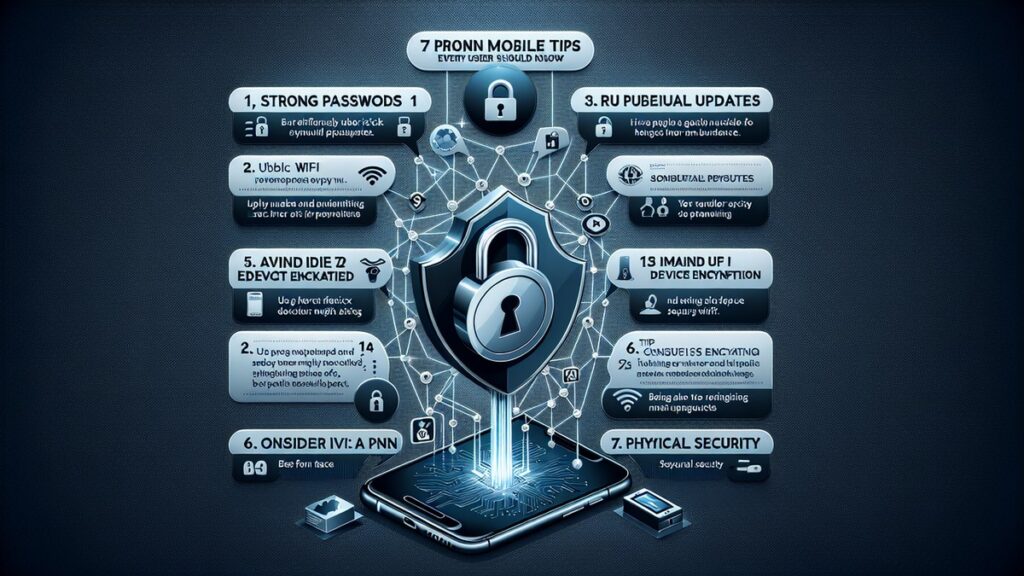

knittingfordolls.com – Strong mobile security is no longer optional in a world full of digital threats. Every smartphone holds private data, financial details, and personal conversations. Protecting that information starts with a few practical changes to how you use your device.
Many people assume their phones are safe by default, but that belief can be dangerous. Cybercriminals often target phones precisely because users feel relaxed. A few small habits can block most of these attacks before they begin.
This guide explains clear steps to improve your mobile security without becoming overly technical. You will learn simple methods to secure your phone, your data, and your daily online activities. Each tip is designed to be easy to follow and suitable for any user.
Understanding Mobile Security Basics
Before you change any settings, it helps to understand what mobile security really means. It covers everything from locking your screen to protecting your online accounts. When you see the full picture, it becomes easier to choose the right tools and habits.
Your phone is more than a communication device; it is a pocket computer. It stores photos, messages, work files, and saved passwords. That makes it extremely valuable to scammers, hackers, and even casual thieves who might find an unlocked device.
Good mobile security starts with awareness of these risks. Once you realise how much is at stake, basic precautions feel less like a chore and more like common sense. With that mindset, you can build a strong foundation for every other step in this article.
Why Your Phone Is a Prime Target
Phones are always connected, always with you, and often left unlocked. That combination makes them attractive targets. A criminal does not need advanced skills to misuse a lost or stolen device.
Beyond physical theft, apps and websites constantly try to collect data. Some do this for advertising, while others have more harmful goals. Weak settings and careless downloads open the door to silent tracking and malware.
By focusing on mobile security, you cut off many of these easy access points. Simple changes like limiting app permissions and avoiding risky links reduce your exposure. The goal is not perfection but smarter everyday behavior.
Common Threats You Should Know
Modern phones face several recurring threats that users should recognise. Phishing messages try to trick you into sharing credentials through fake login pages. Malicious apps disguise themselves as useful tools but hide harmful code.
Public Wi-Fi networks can allow attackers to monitor unencrypted traffic. Outdated software can contain known flaws that criminals already know how to exploit. Mixing these risks together creates a wide attack surface.
Understanding these issues makes it easier to improve your mobile security. When you spot suspicious links, odd app requests, or unsafe networks, you can respond quickly. Awareness is the first layer of defense for any device.
The Role of Operating System Updates
Your operating system updates do much more than add new features. Security patches fix weaknesses discovered by researchers or real attackers. Ignoring these updates leaves your phone open to known exploits.
Many people postpone updates because they worry about storage or performance. In reality, delayed updates often create bigger problems. Attackers search for devices that still use old, vulnerable versions.
To strengthen your mobile security, enable automatic updates when possible. If that is not available, make a habit of checking for updates weekly. This simple practice cuts out a large category of potential attacks.
Practical Mobile Security Settings to Enable Today
Knowing the risks is useful, but action matters more. Modern phones include many built-in settings that greatly increase protection. You only need a few minutes to turn most of them on.
Start with the tools your device already offers instead of installing dozens of extra apps. Native security features are usually well integrated and carefully tested. They also tend to use fewer resources than third-party alternatives.
The following settings form a strong baseline for mobile security on any smartphone. While exact menu names may differ among brands, the principles stay the same. Adjust them once, then review them regularly.
Lock Screen and Biometric Protection
Your lock screen is the first barrier against prying eyes. A strong PIN, password, or pattern is essential, even if you use biometric options. Simple codes like “1234” or your birth year are easy to guess.
Biometric tools such as fingerprint or face unlock add both convenience and safety. They make it easier to keep your phone locked without feeling annoyed. A locked device protects messages, accounts, and payment apps from quick access.
For better mobile security, set a timeout so your screen locks automatically after brief inactivity. Disable lock-screen previews of sensitive messages where possible. This prevents strangers from reading your notifications at a glance.
App Permissions and Downloads
Every app on your phone should have only the access it truly needs. Many tools request permissions for contacts, camera, or location without clear reasons. Blindly accepting these requests weakens your privacy.
Regularly check your permission settings and revoke unnecessary access. Delete apps you no longer use, especially those from unknown developers. Stick to official app stores, which at least perform basic safety checks.
Careful app management is a key part of mobile security. When each app handles less data, even a single breach does less damage. You gain more control over what your phone shares in the background.
Network and Wi-Fi Protection
Public Wi-Fi is convenient but often risky. Attackers can create fake networks or monitor unsecured connections. Avoid handling banking, shopping, or private work on open networks when you can.
If you must use public Wi-Fi, consider a reputable VPN to encrypt your traffic. Disable automatic connection to open networks in your settings. This prevents your phone from joining unknown hotspots without your knowledge.
Stronger mobile security also means protecting your home network. Change default router passwords, update firmware, and use modern encryption like WPA3 if available. A safer network reduces the chance of intruders reaching your devices.
Securing Cloud Backups and Accounts
Cloud services store contacts, photos, and important files beyond the phone itself. While this helps recovery after loss, it also creates new access points. Weak passwords or reused credentials can expose entire backups.
Enable two-factor authentication on key accounts, especially email and cloud storage. Use unique, strong passwords stored in a reliable password manager. Treat your email account as a master key because it often resets other logins.
Account protection is central to long-term mobile security. Even if someone gains temporary access to your device, they should not easily reach your cloud data. Extra login steps now can prevent serious damage later.
Daily Habits That Strengthen Mobile Security
Settings alone cannot cover every risk. Your everyday habits play a major role in mobile security. Thoughtful behavior can stop many attacks that slip past technical defenses.
Most threats rely on tricking users, not breaking complex encryption. Phishing messages, fake alerts, and urgent requests all push you to act quickly. Slowing down and checking details often reveals the deception.
By combining smart habits with secure settings, you build several layers of protection. That layered approach makes it much harder for attackers to succeed. It also helps you respond calmly when something feels suspicious.
Recognising Phishing and Scams
Phishing attempts usually arrive through email, text, or messaging apps. They might claim to be from banks, delivery companies, or popular services. Common signs include poor spelling, odd links, and demands for urgent action.
Never tap a link in a message that asks for login details or payment confirmation. Instead, open the official app or type the website address yourself. Verify any unusual request through a separate channel when possible.
This cautious approach reinforces your mobile security by blocking many simple scams. Even well-designed fake pages often reveal themselves through small inconsistencies. Training yourself to notice those clues is highly valuable.
Safe Browsing and Social Media Use
Websites and social platforms can quietly collect far more data than you realise. Oversharing personal information makes it easier for attackers to guess passwords or security questions. Location tags and public profiles also reveal daily routines.
Adjust privacy settings on social accounts to limit what strangers can see. Be selective about friend requests and links shared through messages. Avoid downloading files or opening attachments from unknown contacts.
Responsible online behavior supports your overall mobile security. When you share less, you give attackers fewer details to build targeted scams. A modest amount of caution goes a long way on busy platforms.
Preparing for Loss or Theft
Even the best protection cannot stop every accident or theft. Planning for that possibility reduces stress and damage. Start by enabling device tracking features offered by your operating system.
These tools help you locate, lock, or wipe your phone remotely. Test them once so you understand how they work before an emergency. Keep your main accounts updated with a recovery email and trusted phone number.
Preparedness completes the circle of mobile security. If your phone disappears, you can act quickly and confidently. Fast response often decides whether an incident becomes a minor inconvenience or a serious breach.
Improving mobile security does not require expert skills or expensive tools. It demands attention, a few well-chosen settings, and steady habits. By applying the steps in this guide, you significantly reduce your exposure to everyday digital threats.