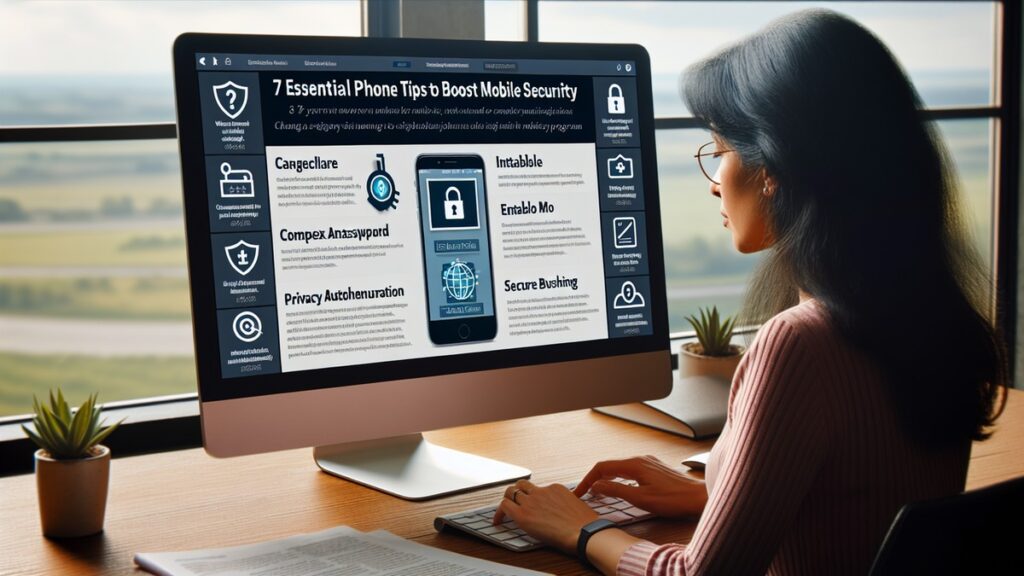

knittingfordolls.com – Strong phone tips can dramatically improve your daily mobile safety and protect your most important digital information. Modern smartphones store banking details, personal chats, and private photos, so careless habits can quickly become serious risks. By following a few clear strategies, you can enjoy convenience without sacrificing peace of mind.
Many people assume default settings are already secure, but most phones ship with options designed for convenience, not maximum protection. Simple tweaks, like stronger locking methods and better app control, close common security gaps. These actions take only minutes yet pay off every time you unlock your device.
This guide focuses on practical phone tips that any user can apply, even without technical experience. You will learn how to secure access to your phone, manage apps wisely, and safeguard your online activity on public networks. Use these ideas as a checklist and revisit them regularly as your habits and devices change.
Phone Tips for Lock Screen and Password Safety
The first layer of defense is your lock screen, and a few intentional phone tips can make it far harder for intruders to access your data. Replace simple four-digit PINs with longer passcodes that mix numbers and letters wherever possible. Avoid using birthdays, repeating digits, or patterns that can be guessed by watching your screen.
Biometric options such as fingerprint or facial recognition add convenience, but they should complement a strong passcode rather than replace it mentally. Treat biometrics as a quick unlocking method while remembering that your passcode is still the ultimate backup. Regularly change your passcode, especially after losing sight of your phone in public places.
Another key habit is reducing lock screen exposure by hiding message previews and personal data from notifications. Anyone who picks up your phone should not be able to read texts or emails without unlocking it. These simple phone tips make opportunistic snooping less rewarding and keep private information away from wandering eyes.
Using Two-Factor Authentication on Your Phone
Adding two-factor authentication, or 2FA, is one of the most powerful phone tips for protecting your online accounts. With 2FA, a password alone is not enough; you must also provide a code sent to your phone or generated by an app. This means that even if someone steals your password, they still cannot sign in easily.
Where possible, use an authentication app rather than SMS codes, which can be vulnerable to number hijacking. Popular apps generate time-based codes that work even when your phone is offline. Store backup codes in a secure offline place so you are not locked out if your phone is lost.
Apply 2FA first to email, banking, cloud storage, and social media accounts, since these often connect to many others. Review your security settings every few months to ensure 2FA stays active, especially after changing phones. Consistent use of these phone tips significantly reduces the damage of data leaks and password theft.
Managing Lock Screen Notifications Wisely
Lock screen notifications can reveal a surprising amount of personal information, so handling them carefully is among the smarter phone tips. Consider showing only generic alerts instead of full message content on the lock screen. This allows you to see that something arrived without exposing the details to anyone nearby.
Customize notification settings for sensitive apps, such as banking, authentication, and private messaging. Disable previews or hide sender names if you often use your phone in public. This small adjustment reduces the chance that strangers or coworkers will glimpse confidential data over your shoulder.
Also, review which apps are allowed to display lock screen alerts at all. Many services do not need this level of visibility, and turning them off declutters your screen. By following these targeted phone tips, you create a lock screen that remains useful without leaking private information.
Phone Tips for App Control and Safe Browsing
Good phone tips extend beyond the lock screen into the way you install, manage, and use apps daily. Every new app is another doorway into your personal data, so treating installations casually can invite trouble. Start by limiting downloads to official app stores, avoiding random files or links promising free premium apps.
Before installing, read reviews, developer details, and permission requests to spot questionable behavior. If an app asks for access unrelated to its purpose, consider alternatives that respect your privacy. Removing rarely used apps also reduces the attack surface and simplifies security upkeep.
Browsing habits matter as much as app choices, especially when using unknown websites or clicking short links. Basic phone tips include avoiding suspicious pop-ups, ignoring urgent scare tactics, and checking website addresses carefully. When in doubt, close the page instead of tapping anything that feels forced or threatening.
Controlling App Permissions on Your Smartphone
Fine-tuning app permissions is one of the most overlooked phone tips for privacy and security. Many apps request access to your camera, microphone, location, or contacts by default, even when they do not truly need it. Regularly review these settings in your phone’s privacy menu and revoke anything that seems excessive.
Grant sensitive permissions only when the feature is actively required, such as allowing location access while using navigation. Whenever possible, select options that limit access to “only while using the app” instead of permanent background tracking. This approach maintains functionality without leaving your data exposed around the clock.
Pay special attention to apps from smaller or unfamiliar developers, as they may rely on aggressive data collection. If an app stops working after you restrict permissions, reconsider whether it is worth keeping at all. Adopting these disciplined phone tips keeps your personal details from being quietly harvested and shared.
Safe Browsing Habits on Public Wi-Fi
Public Wi-Fi networks are convenient but risky, which is why targeted phone tips are essential when using them. Avoid accessing banking sites, payment apps, or sensitive email accounts on open networks whenever you can. If you must, use a trusted VPN service to encrypt your connection and hide your data from prying eyes.
Always confirm the exact network name with staff before connecting in cafes, airports, or hotels. Fake hotspots can mimic legitimate ones, capturing everything you send. Once connected, turn off file sharing and disable automatic connection to open networks to prevent background risks.
After leaving a public location, forget the network so your phone does not reconnect later without your knowledge. Combine this step with cautious clicking, avoiding unknown attachments and links sent through email or messaging apps. These phone tips help you enjoy online access away from home without handing your information to strangers.
Updating Software and Backing Up Your Data
Keeping your phone updated and backed up ranks high among responsible phone tips. System updates often fix security flaws that attackers actively exploit, so delaying them leaves you exposed. Enable automatic updates where possible, or set regular reminders to check manually.
Backups protect you from loss, theft, or sudden device failure by preserving your contacts, photos, and documents. Use encrypted cloud backups, local computer copies, or both for added resilience. Test your restore process occasionally so you know your backups actually work when needed.
Combining timely updates with reliable backups means you can respond calmly to almost any mobile crisis. If your phone is compromised, you can reset it and restore clean data instead of panicking. These practical phone tips give you confidence that your digital life will survive unexpected problems.